September 10, 2026
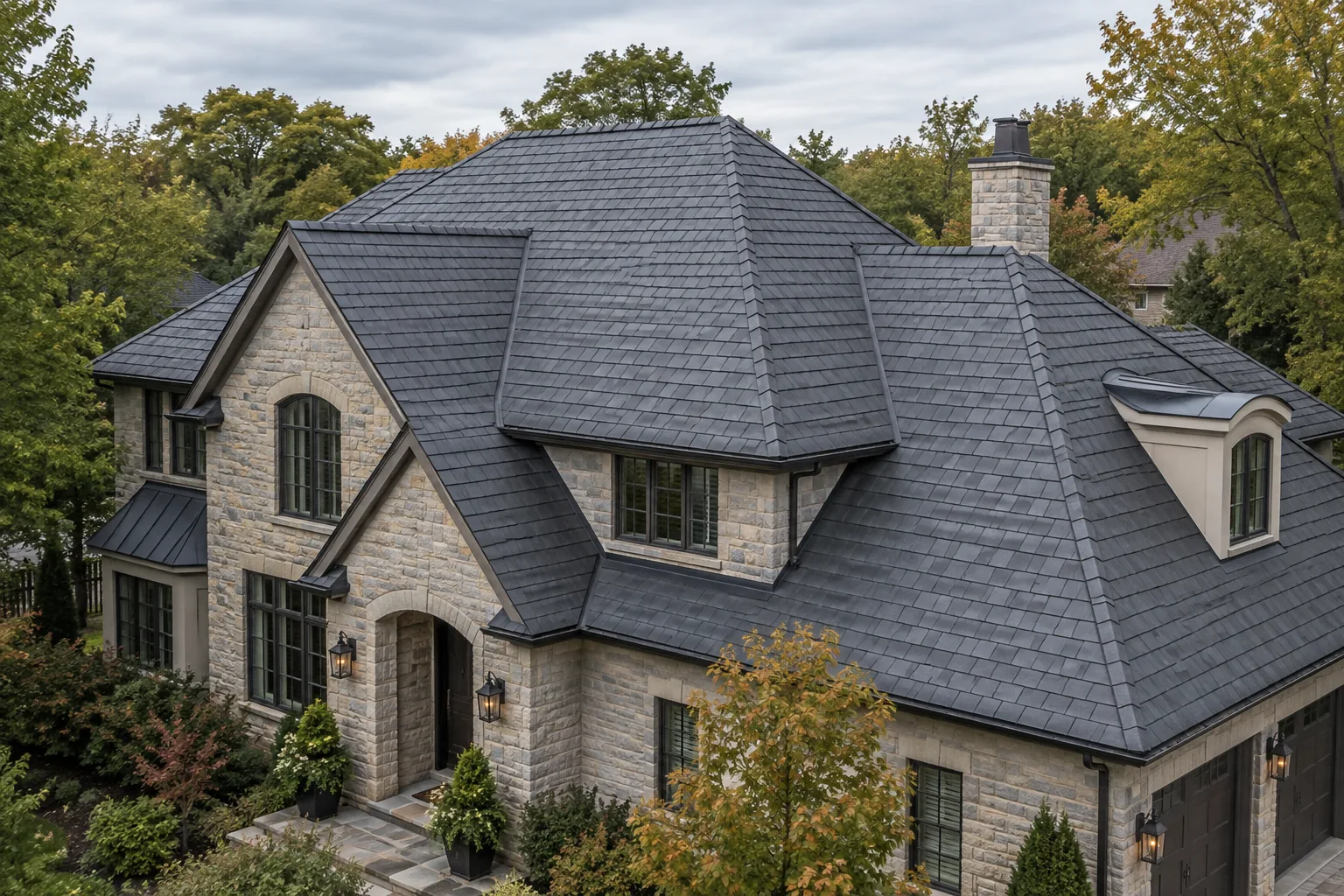
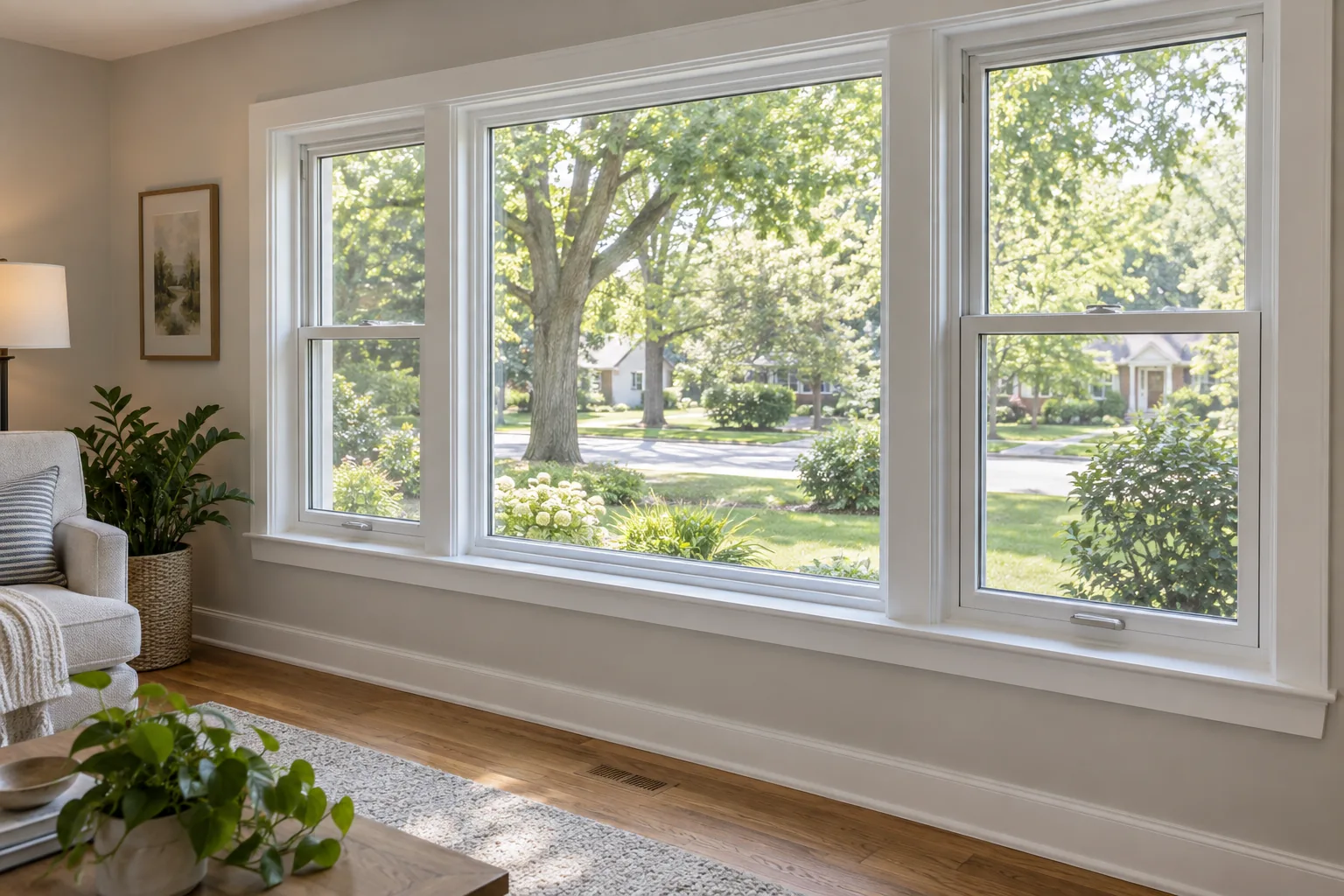
Illustrative image generated with AI; not an actual UV Exteriors project or an exact manufacturer product.
“Which window brand is best?” becomes a more useful question when you name the product series, frame material, glass package, and installation method. Two estimates with familiar logos can describe very different windows and very different work.
UV Exteriors' window and door service includes discussions of ProVia Aspect and Endure, Hawthorne Series, and available options for your home. This guide uses Andersen, Pella, and Marvin as material and product-series comparisons. Confirm the exact products available through UV Exteriors in your estimate; a comparison here is not a claim of dealership status for every brand.
Make a list of the windows you want assessed and what is wrong today. A sticking sash, fog between glass panes, damaged frame, draft, and desire for a larger view are different problems. The proposed product and installation should address the reason you are replacing the window.
Photograph the interior and exterior of each opening. Note furniture, walkways, counters, and screens that affect operation. This gives the estimate a practical starting point and helps avoid selecting an attractive window that is awkward to use.
Aspect and Endure are ProVia vinyl window lines. ProVia positions Aspect as a mid-range option and Endure as a line with broader finish choices. The right comparison is the configuration offered for your openings, not just the series name.
Ask what the Endure upgrade changes in your proposal. Is it a particular interior or exterior finish, a glass option, or another feature you will use? Compare that change against the additional installed price. If both quotes meet your priorities, an upgrade should have an identifiable benefit.
This comparison can reveal more than a generic “good, better, best” chart. It also makes it easier to keep one feature you value without automatically paying for every available option.
These examples explain why you should compare series within a brand. They are not a ranking of every window each manufacturer sells.
Andersen's Fibrex material guide identifies 100 Series as a composite option using wood fiber and thermoplastic polymer. Its 400 Series includes wood-based products with protective exterior cladding. The construction and options of the exact window style still need checking.
If a stained wood interior matters, ask for a series and finish that actually provides it. If you want a composite frame, identify that product explicitly. An estimate saying only “Andersen replacement windows” does not answer either question.
Pella's window catalog identifies 250 Series as vinyl, Impervia as fiberglass, and Lifestyle Series as wood. Comparing a ProVia vinyl window with a Pella wood window is therefore a material and finish decision as well as a brand comparison.
Ask how the frame profile, glass area, finish care, and available sizes compare for your openings. Start with the material you want, then review the applicable series rather than treating every Pella product as one specification.
Marvin's Essential collection uses Ultrex fiberglass inside and outside. Its Ultrex product literature distinguishes that construction from Elevate, which combines a wood interior with a fiberglass exterior.
That distinction matters if you want the room-side appearance of wood but a different exterior material. Compare actual finish samples beside existing trim. A wood-look finish and a wood interior may both appeal to you, but they are not the same construction.
Material alone does not establish the whole window's energy rating, air leakage, or installed quality. Have those details compared separately. Avoid choosing a brand based on a strength claim about a sample material while overlooking the actual unit being installed.
Compare the exact glass package and whole-window label. Department of Energy guidance explains how frames, glazing, gas fills, and operating styles contribute to window performance.
Ask whether the quoted configuration meets the applicable ENERGY STAR criteria. Certification should be checked for the product, not assumed from a manufacturer logo. Do not accept a guaranteed utility-bill reduction without a substantiated, home-specific basis.
A sunny room and a shaded room may have different priorities. Tell the estimator where glare, cold surfaces, or summer overheating is most noticeable. For the broader wall and opening discussion, see our window, door, and siding performance guide.
An insert uses a suitable existing frame. Before choosing it, confirm the frame's condition, how water is managed, and the effect on visible glass area. Preserving existing finish work may be part of the appeal, but the retained frame must suit the installation.
Removing the existing frame exposes more of the opening for assessment and changes the finish-work scope. Ask what is included for flashing, insulation, interior casing, exterior trim, and repairs if deterioration is uncovered.
A full-frame quote and an insert quote should not be compared on total price alone. Identify the additional work and why it is proposed. If siding replacement is planned too, settle the sequence and exterior trim details before either material is ordered.
A picture window prioritizes the view and does not open. Double-hung and sliding windows use moving sashes. Casement and awning windows swing outward, which matters beside a walkway or patio. Bay and bow assemblies also introduce support and surrounding finish details.
Try the locks and operating hardware on a sample if possible. Ask how screens are removed and how the glass is cleaned. Confirm the proposed opening dimensions and any applicable safety requirements with the project team rather than assuming a similar-looking replacement performs the same way.
Our Villa Park renovation included two picture windows alongside insulated siding, CertainTeed Landmark PRO roofing, and upgraded gutters. The photographs show how window proportions and surrounding finishes fit the overall exterior.
The project record does not identify the window manufacturer, so we do not present those windows as ProVia, Andersen, Pella, or Marvin. Use the project as a design and coordination example, then compare the documented products proposed for your home.
Opening count, size, glass, frame material, finish, access, removal method, trim, and concealed repairs all affect the installed price. Request an opening-by-opening schedule so omitted windows or upgraded glass do not disappear inside a single total.
Ask who supplies replacement parts, who performs service, and what labor is covered. Manufacturer warranties can distinguish glass, moving parts, finish, ownership, and transfer conditions. ProVia provides its written Aeris, Endure, and Aspect coverage; obtain the applicable documents for any alternative being quoted as well.
There is no useful brand-wide answer without specifying the series and installation. Compare Aspect or Endure against the actual alternative, using the same openings, ratings, finishes, and work scope.
Coordinate visible frame colors, grids, and proportions, especially on the same elevation. Operating styles can differ by room if the selections work together and meet the opening's requirements.
The cause should be assessed first. Gaps around an opening and moisture within a sealed glass unit require different responses. Room-side condensation may also involve indoor humidity. Choose work that addresses the identified condition.
Get a window and door estimate from UV Exteriors. Bring your opening list and priorities so we can discuss available products, measurements, and installation details for your Chicagoland home. Financing options are subject to lender approval and terms.
Coordinating a roof or siding replacement too? Ask about the $1,500 off + free gutters offer for qualifying roof/siding projects, with eligibility and gutter scope confirmed in writing. This is not an offer for a window-only job, and other promotions should not be assumed to combine.