May 18, 2022
Compare energy-efficient windows, doors, and siding by the actual product ratings and installation scope. Start with the problem you want to solve: drafts, moisture, difficult operation, or uneven room temperatures.
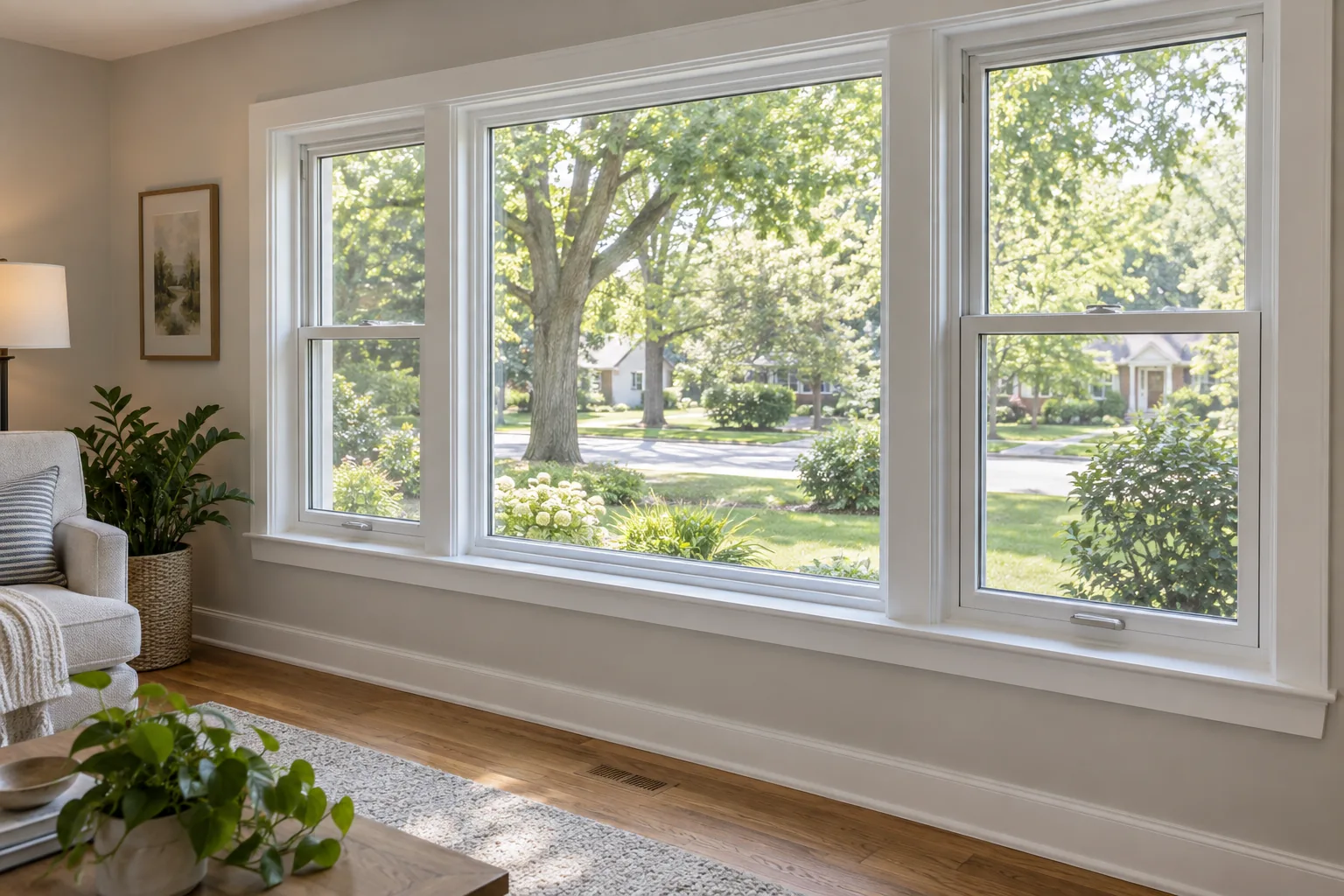
Review the exact product and glass package. Window ratings such as U-factor and solar heat gain coefficient describe different aspects of performance; the frame color does not substitute for those ratings. The Department of Energy's window guide explains frame and glazing choices.

Ask which insulation, weather barrier, and air-sealing work is included in a siding proposal. A new cladding profile alone does not establish the wall's thermal performance. Compare the complete assembly and product data rather than assuming all siding products provide the same insulation.
Record the windows and doors you want assessed, how they operate, and the problem you want to solve. Include rooms where comfort is the main concern and openings where sticking, damage, or upkeep is driving the decision.
Use the same opening list when comparing estimates. This makes it easier to spot a different product, omitted opening, or change in installation scope.
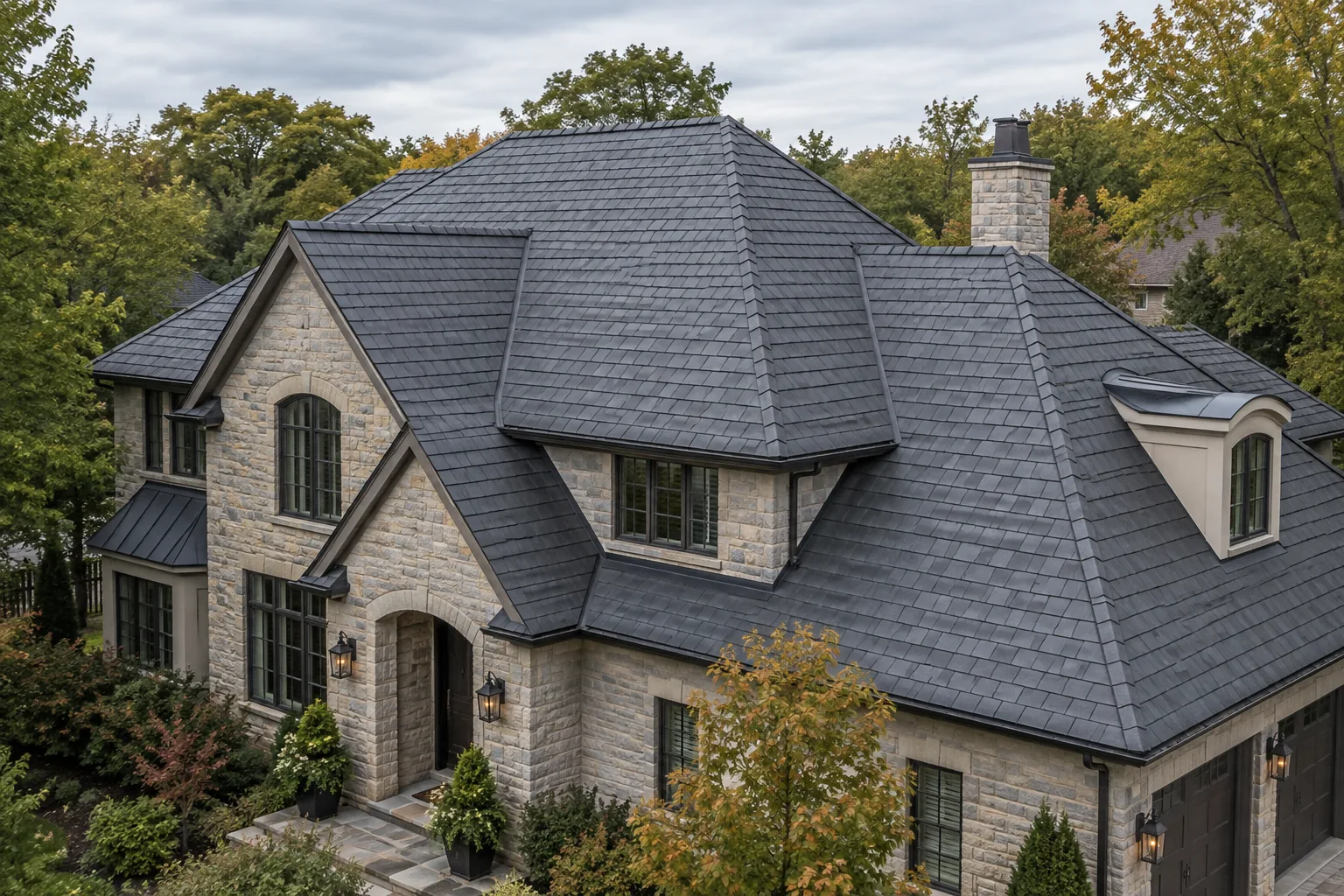
Our Villa Park renovation combined insulated siding, two picture windows, roofing, and gutters. The project shows how several exterior decisions can be planned together; it does not establish a measured energy-saving percentage for another home.
Explore window and door replacement and siding options, or ask UV Exteriors to assess your project.