October 30, 2024
Before adding attic insulation, check air leaks, moisture, ventilation, and existing coverage. Cold rooms and drafts can have several causes, so the assessment should guide the work.
Insulation slows heat transfer. Air sealing addresses unwanted air movement through gaps and penetrations. The Department of Energy's air-sealing guide explains why air sealing and ventilation should be considered together.
A single R-value recommendation does not fit every roof or existing condition. Ask the assessor to explain the recommended scope for your home.
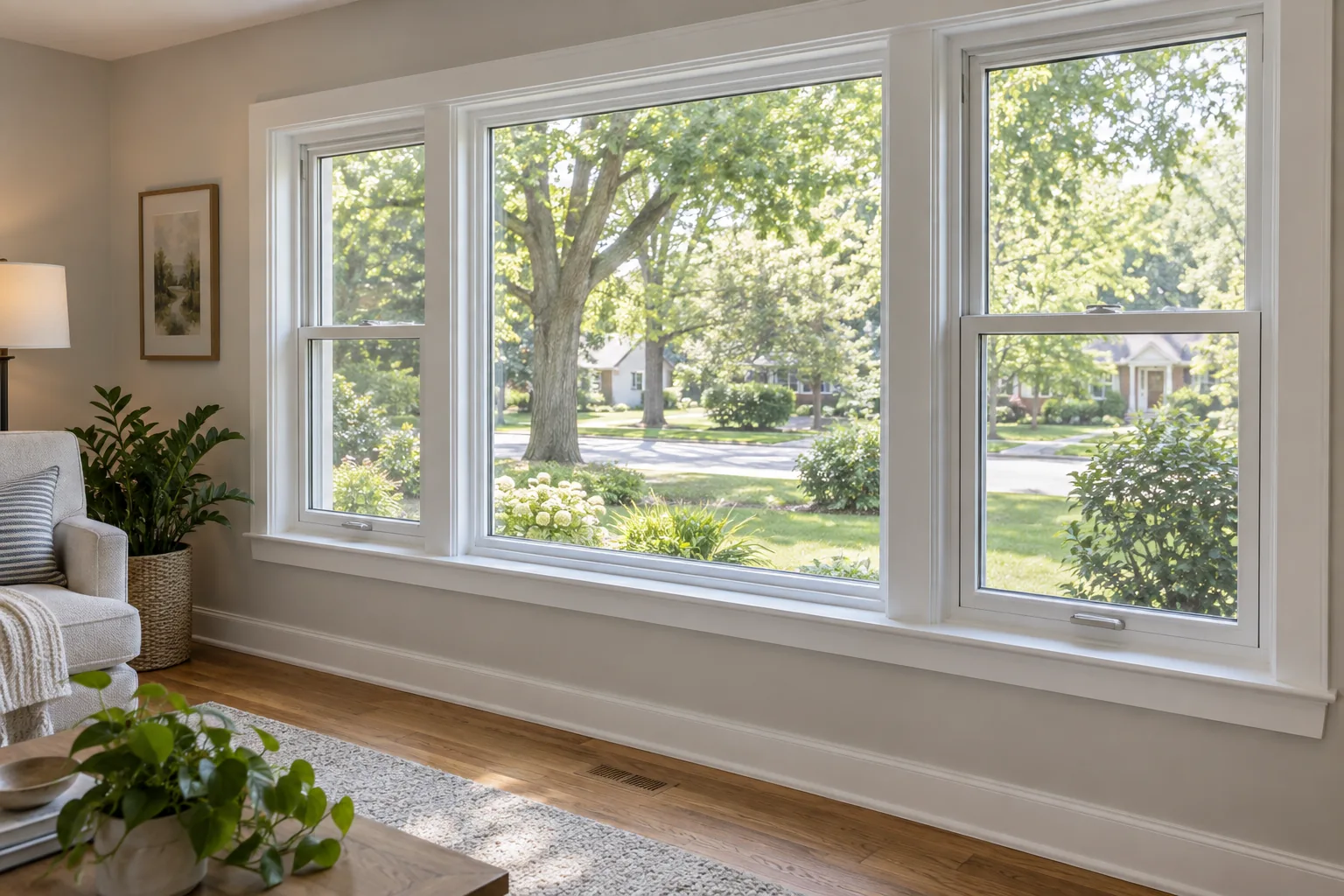
If a roof inspection reveals moisture damage or ventilation concerns, discuss those findings before insulating over the problem. Window and door drafts may involve weatherstripping, installation gaps, or product condition; replacement is not automatically the first step.
Before the assessment, note which rooms feel uncomfortable, when the problem occurs, and whether you notice drafts, stains, or condensation. These observations give the assessor a clearer starting point than a general request for more insulation.
Have the proposal distinguish investigation, repairs, air sealing, and insulation. Confirm which contractor handles each task and whether one needs to be completed before another begins.
Request the specified materials, areas treated, and photos where available. Those records can help with future roof work or another home assessment.
Compare the recommended work, expected benefit, and cost. Avoid assuming a specific reduction in utility bills without a model based on your home's condition and use.
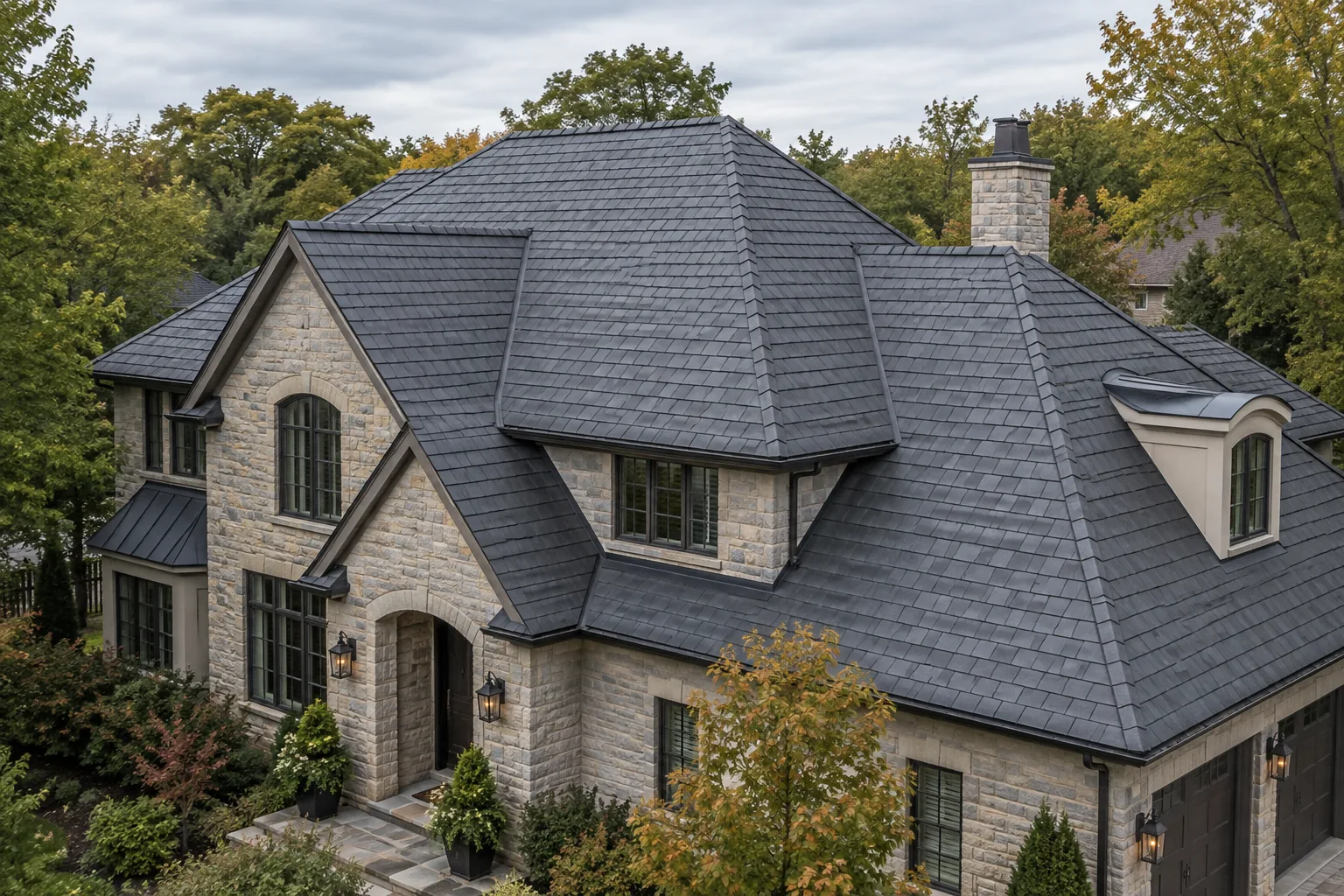
UV Exteriors can help assess the roofing and exterior portions of your project. Explore roofing services and window and door options, or discuss what you are noticing at home.